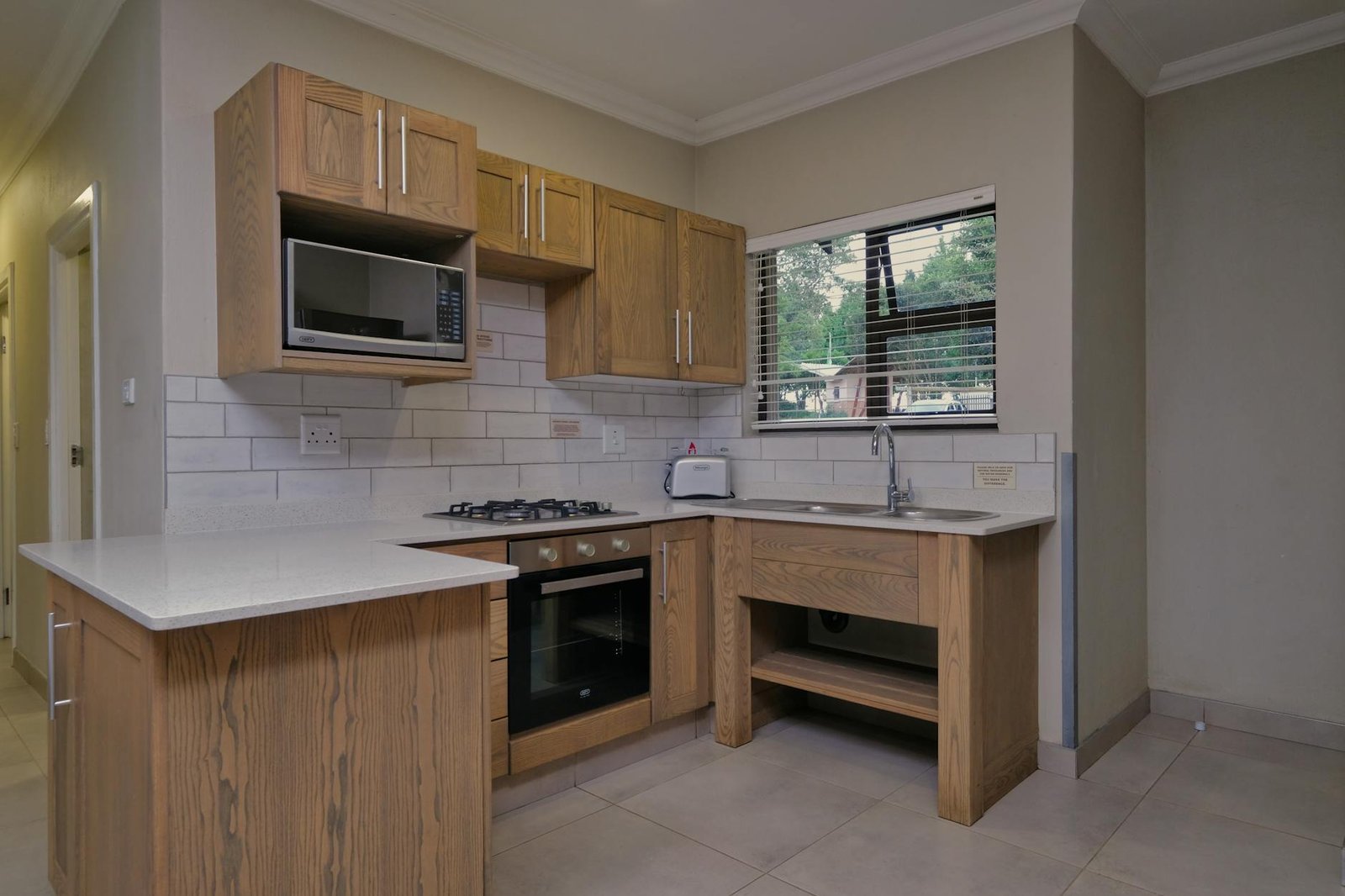

Recognise the impact of a vanity unit
When we consider how to choose the right vanity unit for your Glasgow bathroom, it is important to first recognise just how central this piece of furniture is to your space. A vanity unit does more than hold the basin. It shapes the look and feel of the entire bathroom, helping us hide clutter, organise toiletries, and set the tone for everything else. Since bathrooms in Glasgow can range from compact tenement en-suites to spacious family bathrooms in suburban homes, choosing a vanity unit that meets both style and functionality needs is key to long-term satisfaction.
Although we often get excited about showers, tiling, and wall colours, the vanity unit is an everyday workhorse. It is where we wash our hands, style our hair, and store day-to-day essentials. Picking a unit that fits the exact dimension and style of our Glasgow bathroom allows us to maximise floor space, preserve a cohesive look, and ensure daily tasks remain hassle-free.
We have worked with homeowners who initially viewed vanity units as purely functional. However, once they learn how this fixture can create a design statement and add convenience, they see why we prioritise vanity selection. The right vanity can modernise a traditional Scottish interior, keep a smaller space feeling airy, and coordinate perfectly with chosen fixtures or finishes. In short, a well-chosen vanity sets the stage for a bathroom that we enjoy using for years to come.
Explore the main vanity unit types
Before we delve into styles and finishes, it is worth exploring the different types of vanity units available. Each type offers unique advantages, especially relevant here in Glasgow where bathroom sizes and layouts vary significantly.
Floor-mounted vanity units
Floor-mounted vanity units are the traditional choice and often come with built-in cabinets. They rest on the floor, with the basin typically mounted on top. One reason many Glaswegian homeowners select these units is the considerable storage space, from drawers to deep cabinets, making them ideal for busy households. The sturdy base and low centre of gravity also add stability, ensuring minimal wear and tear over time.
Wall-mounted vanity units
Wall-mounted vanity units, sometimes called “floating” vanities, are increasingly popular in modern bathrooms. By attaching directly to the wall, they free up floor space underneath, creating a more spacious ambience. This look can be especially useful in smaller Glasgow flats, where every inch matters. Although they often feature slightly less storage than floor-mounted alternatives, thoughtful interior planning and a few clever inserts can help us make the most of the space they do provide.
Pedestal sinks with built-in storage
For a minimalist design that still offers modest storage, pedestal sinks now come with small integrated compartments. These models can be a good compromise when we want the classic silhouette of a pedestal but also need somewhere to tuck away daily essentials. However, due to limited space, a pedestal sink may not be ideal for larger households that require extensive storage.
Freestanding vanity cabinets
Freestanding vanity cabinets mix some of the aesthetic appeal of a piece of furniture with the functionality of a bathroom fixture. They can be an elegant choice for anyone seeking a vintage or upscale look. Designs often feature decorative legs, ornate handles, or unique finishes. While you can find sleeker modern versions, freestanding vanity cabinets generally suit more traditional or eclectic styles.
In determining which type of vanity best suits our bathroom, we should start by considering its shape, size, and overall design. Each category provides a distinct flavour and function, so it is critical to match the benefits of each type to our personal needs.
Choose the right size and shape
Choosing the right size and shape for our vanity is often the most practical step. Glasgow bathrooms can vary from narrow tenement shower rooms to generous suburban spaces. To ensure we select a vanity that truly fits, we should measure carefully and consider how the unit will affect pedestrian flow and use of other fixtures.
- Measure length and width: Start by determining the length of space available along the wall. Measure from any corners or adjacent fixtures like the toilet or shower screen to see how wide the vanity can be without feeling cramped.
- Account for depth: Vanity units with deep countertops might intrude into walkways, making it harder to move around. If we have a narrow bathroom, a shallow-depth or corner vanity could be a more comfortable fit.
- Mind the door swing: Check not only the bathroom door but also cupboard doors or drawers that will be part of the vanity. If the door collides with walls or large furniture, we risk daily annoyance.
- Think of ergonomics: Aim for a countertop height that suits the average user in our household. We typically recommend a height around 85 to 90 centimetres for comfortable use.
If you want more tips on planning compact layouts, consider checking our overview on small bathroom layouts that work well in glasgow flats. Careful space planning can help us avoid a vanity that is far too large or too small. We can also consider whether the corners of a large vanity might block a walkway or pose a safety risk in a narrow layout.
Some Glasgow homeowners prefer custom units that adapt to unusually shaped walls or recesses. Working with a professional design team like Dream Bathrooms Glasgow can be particularly insightful in these situations. We can custom-fit a vanity to a tough corner or irregular nook, ensuring no inch of space goes to waste.
Select materials and finishes
We have seen many inspiring and durable vanity units made of quality materials such as solid wood, plywood, or MDF with water-resistant veneers. How we choose the material and finish can dramatically affect the vanity’s durability, look, and ease of maintenance.
Wood and wood-look options
Genuine hardwood vanities, like oak, can look timeless and pair beautifully with both rustic and contemporary bathroom styles. However, exposure to humidity might warp some wood types over many years, so we need to ensure the surface is properly sealed. Meanwhile, engineered wood with a quality veneer can provide additional water resistance while still conveying the natural grain we love.
Wood-look laminate has improved significantly in recent years. It can mimic real wood’s appearance while being more affordable and low-maintenance for heavily used ensuites or family bathrooms.
Stone or solid surface tops
For the vanity countertop, many homeowners in Glasgow opt for granite, quartz, or marble, though this often depends on budget and style preferences. Stone or solid surface tops resist scratches and heat, and they contribute a premium aesthetic. As an alternative, some advanced composites form seamless countertops that reduce the chance of mould growth along edges. We can also find ceramic countertops integrated with the basin for a sleek finish.
Painted or high-gloss finishes
If we crave a modern or minimalist feel, high-gloss finishes can create a reflective surface that makes the bathroom feel larger. Glossy face panels also pair nicely with contemporary fixtures, especially in bright or boldly coloured schemes. Painted or lacquered finishes offer a wide variety of colour choices, so we can coordinate with accent walls or tile patterns. For ideas on how colour might affect ambience, see our tips on trending bathroom colour schemes for homes in glasgow.
When debating finishes, keep in mind that a vanity will regularly battle moisture, cleaning agents, and daily wear and tear. By selecting the most robust materials we can afford, we save ourselves from frequent repairs or replacements. We may also want to consider if the vanity top can handle any heat from hair styling tools or frequent product spills.
Focus on functionality and storage
Style is essential, but a vanity’s primary job is to provide functional storage and an efficient workspace. Overlook storage capacity, and we might find our counters cluttered with makeup, grooming kits, or kids’ bath toys.
- Drawers vs cabinets: Drawers often make it easier to find smaller items. Cabinets with adjustable shelving will handle taller toiletries. If possible, combine both to accommodate a wide range of products.
- Pull-out trays and dividers: Certain vanities come with pull-out compartments or built-in dividers that make storing small items more organised. This helps us avoid rummaging for missing toothbrushes or hair accessories.
- Countertop space: Plan your countertop size according to daily habits. If we need room for hairdryers or skincare products, make ensures there is a decent ledge.
- Integrated lighting: Some vanity mirrors come with built-in lighting that aids grooming. If we are focused on a sleek design, integrated lighting keeps the vanity clutter-free.
For additional creative ideas on making the most of limited space, our article on best storage solutions for small glasgow bathrooms can help. We have noticed that simpler, cleaner storage systems encourage a tidier and more relaxing environment, which can make a real difference in a bustling family home.
Coordinate your vanity with your bathroom style
Colour, texture, and overall design should all align to form a cohesive look. Whether we are aiming for a classic Victorian style or a sleek modern interior, the vanity must complement existing fixtures and design elements.
Modern vs traditional
When deciding on a modern or traditional vanity, it helps to think about the rest of the bathroom. A glossy white wall-mounted vanity might look out of place in a bathroom dominated by vintage tiles and an ornate clawfoot tub. Conversely, a heavily carved traditional vanity might feel off in an ultra-minimalist setting. For more perspective, you might explore our primer on modern vs traditional bathrooms which suits your glasgow property.
Matching fixtures and hardware
Pay attention to how handles, taps, and mirror frames connect with your vanity choice. For instance, black hardware might create an industrial-chic vibe, while polished chrome or brass can feel more classic. If you are also rethinking taps or showerheads, take the opportunity to match your finishes for a more refined result.
Complementary colour schemes
Harmonise vanity colours with your walls and flooring. If you have neutral walls, consider a statement vanity in charcoal grey, navy, or forest green to add depth. On the other hand, if you have patterned tiles or vibrant paint, choose a vanity in a subtle hue that balances the rest of the room.
Textures
Sleek, glossy textures give a contemporary look, while matte or woodgrain surfaces add warmth. Subtle touches, like a decorative groove or a slight bevel on the door edges, can also differentiate your vanity and tie it back to your design theme.
By planning carefully, we ensure the vanity does not look like an afterthought. Ideally, it becomes the centrepiece that unifies every other design element in the bathroom.
Consider budget and installation factors
Cost is often a major concern when deciding on the right vanity, and for a good reason. Materials, customisation, and labour costs all influence the final price tag. Our job is to help you approach your budget confidently, knowing that smart decisions about vanity choice can safeguard against expensive changes later.
Setting a realistic budget
While it might be tempting to invest in top-of-the-line materials, keep your broader bathroom renovation in mind. Allocating enough budget for reliable fixtures, new plumbing if required, or quality tiling may be more beneficial than spending everything on a lavish vanity that leaves no room for other upgrades. On the flip side, going too cheap with subpar materials could lead to complications like warping or chipped finishes, costing more in replacements in the long run.
Factoring in installation and plumbing
Professional fitting is crucial for ensuring the vanity aligns properly with your existing plumbing, especially in older Glasgow homes. If we need to reroute water lines or adjust the waste pipe, anticipate some additional labour costs. Wall-mounted vanities sometimes require reinforcing the wall structure, a factor that might not surface until the project is underway.
Durability in Scottish climates
Though bathrooms do not face the same climate as external walls, Glasgow’s sometimes damp and chilly conditions can push humidity higher. Proper ventilation and moisture resistance are vital. When we invest in high-quality materials and skilled labour, we reduce the risk of warping or mould, which saves money over time.
Balancing functionality and style
We often remind homeowners not to lose focus on how the vanity will be used in day-to-day life. The stylish choice might look great in photos but lack sufficient storage, or the ostensibly budget-friendly piece might demand frequent repairs. It pays to balance aesthetics with long-lasting materials and good craftsmanship.
Partner with Dream Bathrooms Glasgow for expert results
Over the years, we have guided countless homeowners through the process of selecting, installing, and enjoying the right vanity unit in their Glasgow bathrooms. If you find yourself overwhelmed by choices or unsure about measurements, we invite you to explore Dream Bathrooms Glasgow as your trusted ally. Our professional team is well-versed in local design trends, practical constraints, and the intricacies of Glasgow’s varied housing stock.
We can:
- Conduct a thorough assessment of your bathroom, including measurements and plumbing checks.
- Suggest vanity styles that align with your property’s character, from contemporary flats to period townhouses.
- Source high-quality materials suited to the Scottish climate.
- Streamline installation by coordinating all necessary trades, from plumbing to carpentry, ensuring a seamless experience.
We believe in creating bathrooms that meet both functional needs and aesthetic goals, so if you are aiming for an integrated brilliant design, consider us as your single point of contact. We are also happy to advise on complementing your chosen vanity with finishing touches like lighting, mirrors, or paint colours.
Conclusion
Selecting a vanity unit that fits our Glasgow bathroom’s personality, size, and storage needs is often the difference between a space we merely tolerate and one we genuinely love using each day. From measuring and sizing the vanity to choosing durable materials, balancing costs, and making sure the style is on point, every step becomes simpler with a clear plan and the right expertise.
When we bring professional insights to the table, we can navigate the many choices available, avoid buyer’s remorse, and invest in standout pieces that serve us long-term. If you are still not certain which vanity will best suit your home, let the Dream Bathrooms Glasgow team help you through the process. Together, we can ensure your vision becomes a reality, right down to the final drawer pull.
We hope these tips on how to choose the right vanity unit for your Glasgow bathroom guide you well in your renovation journey. By focusing on practicalities and style equally, you will be closer to a space that reflects your taste, simplifies morning routines, and adds real value to your home. Let us tailor the perfect vanity solution for you, ensuring your bathroom not only looks splendid, but functions flawlessly for years to come.