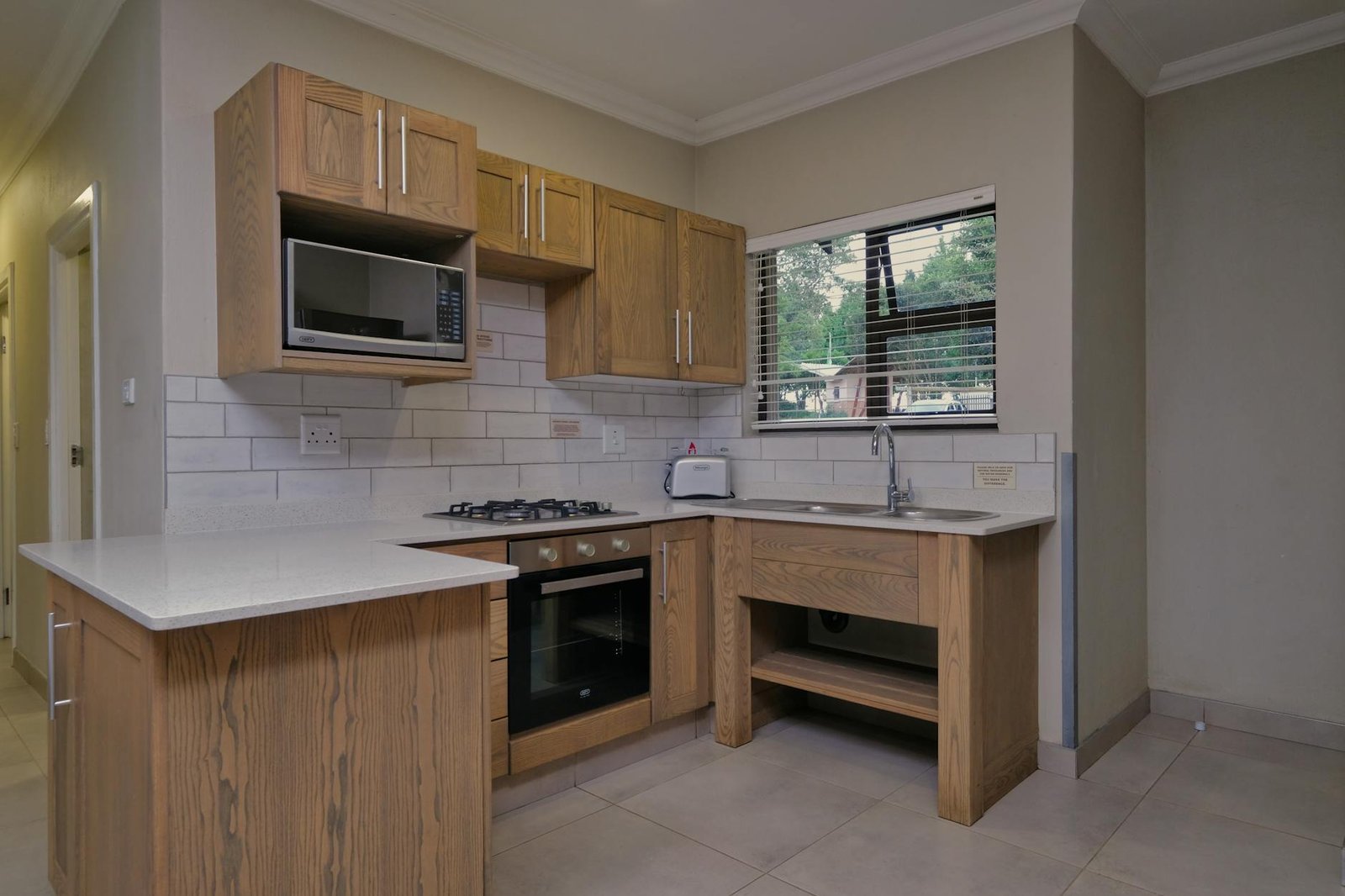

When planning a bathroom renovation, the question of drawer storage vs cupboard storage in glasgow bathrooms often arises. We have helped many homeowners weigh their options, and it can be surprisingly challenging to choose the right fit. Glasgow’s unique mix of traditional tenement flats and modern new-build homes adds another layer to the decision—bathrooms come in all shapes, sizes, and styles. In this post, we will explore the key differences between drawers and cupboards, offer real-world tips for typical Glasgow properties, and help you decide which storage solution best meets your needs.
Understanding bathroom storage needs
Before diving into drawers or cupboards, we like to step back and assess the bigger picture. Storage needs vary widely from one Glasgow home to another. A family with young children might prefer more shelving space for toiletries and cleaning products, while a professional couple might want a sleek, minimalist look with hidden compartments.
Bathing habits also affect how we store our essentials. If you favour quick morning showers and a streamlined daily routine, easy-access drawers could be ideal. If you love to indulge in long soaks in the tub, you might need a larger cupboard to hold extra towels and spa-like accessories. In older Glasgow flats where space is at a premium, smarter organisation is crucial—every centimetre counts.
Another factor is the overall layout. Some bathrooms feature alcoves, behind-the-door recesses, or angled ceilings that can influence whether drawers or cupboards fit better. Consider the traffic flow in your bathroom. If two or more people are regularly using the space at once, swinging cupboard doors might feel cramped, while drawers could offer a more compact footprint.
Humidity and temperature swings are also relevant. In Glasgow, where the weather can be damp, we want to ensure our bathroom furniture remains durable. Quality materials and good ventilation help prolong the life of any storage unit, whether it’s a traditional cupboard or a modern drawer system.
Finally, we always recommend thinking ahead. You might not need as much storage today, but what about tomorrow? Planning for potential life changes—like a growing family or the arrival of guests—can save time and money later. Ultimately, assessing these broader needs helps focus the decision and prevents surprises once the project is underway.
How drawer storage works
A drawer storage system typically consists of pull-out compartments arranged horizontally. Each drawer can have varied depths, with some deeper ones accommodating bulkier items, like large shampoo bottles, and shallower ones for small grooming essentials. There’s a reason so many modern vanities feature this type of storage—drawers allow instant visibility of their contents once opened.
In many Glasgow bathrooms, especially smaller ones, drawers can prove highly efficient. The linear extension means you can fully see and reach everything at once, which reduces rummaging at the back of a cabinet. This immediate overview can be especially beneficial if you have children, teenagers, or housemates who might not remember to put items back in their designated spot. Open a drawer, and everything is right in front.
Some drawer systems now include built-in organisers or dividers. These help group items by category—makeup, haircare products, shaving kits, spare towels—so you know exactly where each item lives. This level of organisation can bring calm to busy mornings, cutting the time you spend searching for that elusive face serum tube or missing hairbrush.
Durability is a consideration, too. While most modern drawer mechanisms are designed for bathroom environments, not all are created equal. If moisture gets inside the slides or if the materials aren’t water-resistant, you might encounter sagging or warping over time. In Glasgow, the damp climate can exacerbate these issues if the bathroom isn’t well-ventilated or if the unit is placed in a spot prone to water splashes. Opting for high-quality hardware—like stainless steel or aluminium runners—can extend the life of your drawers.
A potential drawback of drawers is that they require space for the extension. If your bathroom setup has restricted room between the vanity and opposite wall, fully pulling out a deep drawer might be awkward. Also, for very tall or oddly shaped items, drawers might not be as flexible unless you customise their internal height. Balancing these considerations means carefully measuring your space and thinking about what you plan to store.
How cupboard storage works
Cupboard storage is generally characterised by hinged doors that open outward, revealing interior shelves. Some cupboards might extend to the floor, while others form part of a vanity unit beneath the sink. This style is popular in more traditional, cottage-like Glasgow homes, but we also see plenty of modern, sleek cupboards in new-build flats.
One major benefit of cupboards is their flexibility in handling larger or taller items. You can often adjust shelf heights or simply remove a shelf to accommodate taller cleaning supplies, stacks of towels, or decorative baskets. This customisation suits homeowners who want to store a variety of items without worrying about drawer heights.
Cupboards can also integrate seamlessly with the overall bathroom look. If you opt for a floor-to-ceiling cupboard, you can create the appearance of a built-in feature that blends with your walls or tiles. In bathrooms with high ceilings—often found in some of Glasgow’s older Victorian or Edwardian flats—cupboards can take advantage of vertical space that drawers might not fully exploit.
However, many of the inconveniences with cupboards revolve around their depth. Traditional cupboard designs can form a “dark zone” near the back of the shelf, where items get lost or forgotten. If you’re in a hurry, rummaging through various layers can be frustrating. Additionally, outward-opening doors require enough clearance. In a narrow Glasgow bathroom, a swinging door can bump into the toilet or hamper free movement.
Cupboards can work exceptionally well if you have the floor plan to accommodate the doors and you don’t mind occasionally rearranging items to keep everything accessible. The biggest advantage is an expansive capacity that easily holds large toiletry bottles, cleaning supplies, or fresh towels, which is especially practical for households that like to stock up on essentials.
Pros and cons of drawers
Drawers have earned a loyal following for a reason. When we chat with homeowners about drawer storage vs cupboard storage in glasgow bathrooms, one of the biggest selling points is easy access. Rather than kneeling down to see what’s lurking at the back, you can simply pull the drawer and take a quick look at all its contents. This feature is highly appealing in smaller bathrooms, as each drawer can be carefully designated for specific items.
We also appreciate that many modern drawer systems now come with soft-close mechanisms, reducing slamming sounds and minimising wear on the hardware. This can be a small yet satisfying detail, especially in apartments where noise might carry to other rooms.
Another pro is that drawers contribute to a more minimalist or clean aesthetic. Everything is neatly tucked away behind a single flat panel, which can look contemporary and uncluttered. If you prefer that modern, spa-like style, drawers can be the perfect fit.
On the flip side, some might find that drawers offer less flexibility in terms of reconfiguring storage compartments. You’re often bound by the drawer’s shape, height, and organiser compartments, whereas cupboard shelves can be moved around. Also, in cases where you store an oddly sized object—like a tall hamper or a large bottle—a standard drawer system might not be tall enough.
Most importantly, good ventilation is key. If steam or moisture seeps into the drawer, there’s a risk of warped frames over time. This risk is especially relevant in older Glasgow homes that might not have the same level of insulation or modern ventilation. We always recommend sealing and finishing any exposed edges if you install a drawer system, so water doesn’t soak in.
Pros and cons of cupboards
Cupboards are a timeless staple of many Glasgow bathrooms. One of the biggest advantages is the ability to store bulky or tall items, from stacks of spare towels to cleaning equipment. We often see cupboards in family homes where multiple people need to tuck away all sorts of supplies, including children’s bath toys, extra toilet rolls, or even modest laundry items.
In terms of design, cupboards can fit seamlessly into both classic and modern aesthetics. A high-gloss white cupboard might look right at home in a contemporary city-centre flat, while a wood-finish cupboard with panelled doors might suit a more rustic, traditional interior. This flexibility means cupboards can complement almost any design vision.
However, cupboards do come with a few practical downsides. Chief among them is the issue of reach—items at the back of a deep shelf are not as accessible. You might end up shuffling things around to find a small jar of cotton pads. Additionally, in tighter Glasgow bathrooms, outward-opening doors can conflict with other fixtures like the sink, toilet, or shower screen.
Moisture management is another consideration. If the cupboard extends to floor level, ensure there is a small gap underneath or proper finishing to avoid moisture creeping in. Over time, persistent damp could cause wood to swell or laminate edges to peel. Keeping an eye on humidity levels and ensuring the cupboard’s internal surfaces are sealed can prolong its lifespan.
Which style suits Glasgow
Glasgow’s housing stock ranges from cosy tenement flats to roomy detached houses in suburban areas. Each environment presents its own challenges and opportunities for bathroom storage. Tenement flats, often known for their smaller bathrooms, can benefit from efficient storage solutions where every square metre matters. Drawers might be the go-to choice in such setups, since they offer that convenient pull-out access.
Conversely, in larger suburban or period homes, there might be sufficient space to accommodate a spacious cupboard. If your bathroom has high ceilings—a staple in many Victorian Glasgow properties—cupboards can stretch up to add tons of storage. This vertical approach can be visually stunning if done correctly, turning your cupboard into a design feature rather than simply a storage box.
In terms of style trends, Glasgow homeowners often embrace a balanced blend of modern convenience and classic charm. If you prefer a more transitional look, combining traditional cupboard doors with contemporary draw-style hardware can strike a unique middle ground. Alternatively, pairing sleek handleless drawers with decorative tiles can keep the aesthetic sharp and updated.
We also find that families living in or near Glasgow appreciate the practicality of a partially combined approach: a vanity with both drawers and a smaller cupboard or shelving area for diversity in storage. If you’re in doubt, we encourage you to explore a hybrid solution—some of our past clients love having drawers for daily-use items and a single tall cupboard for linens or bulky items.
For further inspiration on how storage choices integrate with overall bathroom design, consider checking out comparisons like open shelving vs closed bathroom storage in glasgow bathrooms. It showcases other ways to keep clutter under control while matching your preferred aesthetic.
Maintenance tips to know
Whatever route you choose, proper maintenance keeps your bathroom storage fresh and functional. For drawers, we recommend regular cleaning of the drawer tracks and runners to prevent grime buildup. Glasgow’s damp climate can accelerate wear on metal components, so wiping down the hardware every few months with a mild detergent and thoroughly drying it can help avoid rust. If you have a wooden drawer front, occasional resealing or oiling can protect against moisture intrusion.
Cupboards, on the other hand, require awareness of condensation and potential leaks from the sink or shower area. We urge homeowners to double-check the seal around the cupboard edges, especially if the unit is situated near a bath or sink. Wiping up any spills immediately is a quick yet highly effective measure. If your cupboard has adjustable shelves, give them a once-over every six months to ensure they remain level and that the shelf supports haven’t loosened.
Consistent ventilation is critical in both cases. Ensuring your bathroom has a functioning extractor fan or a window to allow steam to escape can maintain a healthier environment for your storage units. In older Glasgow properties without modern ventilation systems, consider upgrading or installing a fan to reduce moisture levels. You will not only protect your storage investment, but also improve overall indoor air quality.
Lastly, keep the surfaces clean but avoid harsh chemical cleaners that could wear down finishes or hardware coatings. A mix of gentle soap, warm water, and a soft cloth will usually suffice. Regular, light upkeep takes less time in the long run and can extend the life of both drawers and cupboards.
Installation and budgeting factors
Planning the installation of bathroom storage involves balancing design vision, practical constraints, and the all-important budget. Drawers, especially those with high-quality soft-close runners or custom dimensions, can sometimes be pricier to manufacture and install than basic cupboard units. However, the difference may be offset by the convenience factor. If drawers make your mornings run more smoothly, it might be a worthy investment.
Cupboards can be a cost-effective route, particularly if you stick to standard dimensions and finishes. Many off-the-shelf cupboard units are easy to adapt into existing spaces with minimal customisation. Yet, if you’re looking to create a tall, ceiling-height cupboard with built-in lighting or mirrored doors, those extras will raise the final bill.
We encourage homeowners to factor in professional installation costs if they aren’t experienced in fitting cabinetry. Achieving a seamless look often requires exact measuring, precise adjustments, and thorough sealing against moisture. In older Glasgow bathrooms that may have uneven floors or walls, the extra time and skill required to level storage units can quickly add to the labour expense.
For larger renovations, also consider how your choice of storage might affect plumbing or electrical lines. A set of deep drawers beneath the sink might require a plumber to re-route certain pipes. A new cupboard might need an electrician to fit interior lighting or an adjacent power socket. These peripheral tasks can elevate the initial budget more than you might anticipate.
When planning your finances, it can be useful to compare other aspects of a bathroom project too. For example, if you also plan to replace wall coverings or tweak your layout, check out discussions like built in storage vs freestanding furniture in glasgow bathrooms. This will give you an idea of how each choice intersects with your overall design and budget considerations. No single approach fits all, so gathering diverse perspectives helps you make an informed decision.
Our final thoughts
In our experience, choosing drawer storage vs cupboard storage in glasgow bathrooms boils down to a careful balance of space, personal routine, style preferences, and budget. Drawers are your ally if you want quick, efficient access to daily-use products. Cupboards stand out with their capacity for larger or uniquely shaped items, making them a go-to for households that require bulk storage.
Glasgow’s bathroom scenes vary from compact, quirky nooks in older tenement flats to sprawling en suites in newer builds. By thinking through space logistics, style synergy, and long-term maintenance, you can create a storage solution that truly fits your household. Some homeowners even find a hybrid model—the best of both worlds—delivers the flexibility they need.
We hope this comparison offers clarity on which option might fit your particular bathroom. If you are still unsure or would like a customised approach tailored to your layout, feel free to get in touch with us at Dream Bathrooms Glasgow. Our passion is turning everyday bathrooms into spaces of practical comfort and timeless design. We are here to guide you toward a well-planned renovation that suits both your lifestyle and your budget. After all, thoughtful storage helps set the stage for a bathroom you enjoy using day after day.