
Finding the best tile patterns for small Glasgow bathrooms can dramatically elevate the look and feel of a compact space. We know that a well-chosen tile design has the power to create depth, reflect light, and make your bathroom appear more spacious and modern. That’s especially important in Glasgow properties where bathrooms often come with tight footprints and unique shapes. We’ve seen how the right tile arrangement can turn an average small bathroom into a head-turner that feels both stylish and airy.
In our experience, homeowners sometimes overlook the subtle impact of tile layout. You might focus on colour or material, but the pattern truly dictates how light flows and how the brain perceives these limited dimensions. At Dream Bathrooms Glasgow, we love helping our neighbours transform their small bathrooms into functional and beautiful retreats. In this article, we’ll walk through the top tile designs that work wonders in compact spaces. We’ll also share tips on tile size, colour, and maintenance to make sure you get the most value for your investment.
Whether you’re doing a brand-new renovation or just freshening up your existing bathroom, these tile patterns can help open up the space without sacrificing style. We’ll talk about horizontal and vertical layouts, eye-catching arrangements like herringbone and chevron, and less common ideas like mosaic accents. We’ll discuss the types of finishes that pair well with each pattern and the local considerations we’ve learned from working on Glasgow properties. By the end, you’ll have a clear sense of which layout will make the biggest difference in your small bathroom. Let’s dive in.
Select the right tile design
Picking a tile design that suits a small Glasgow bathroom goes beyond just appearance. We need to account for how the pattern can play with the room’s geometry, the choice of fixtures, and the type of lighting. If tiles are too busy, they might overwhelm a room that’s already tight. If they’re too subtle, your bathroom might feel bland. By carefully choosing a pattern, you can either enhance a compact layout or accidentally shrink it further.
Horizontal brick bond
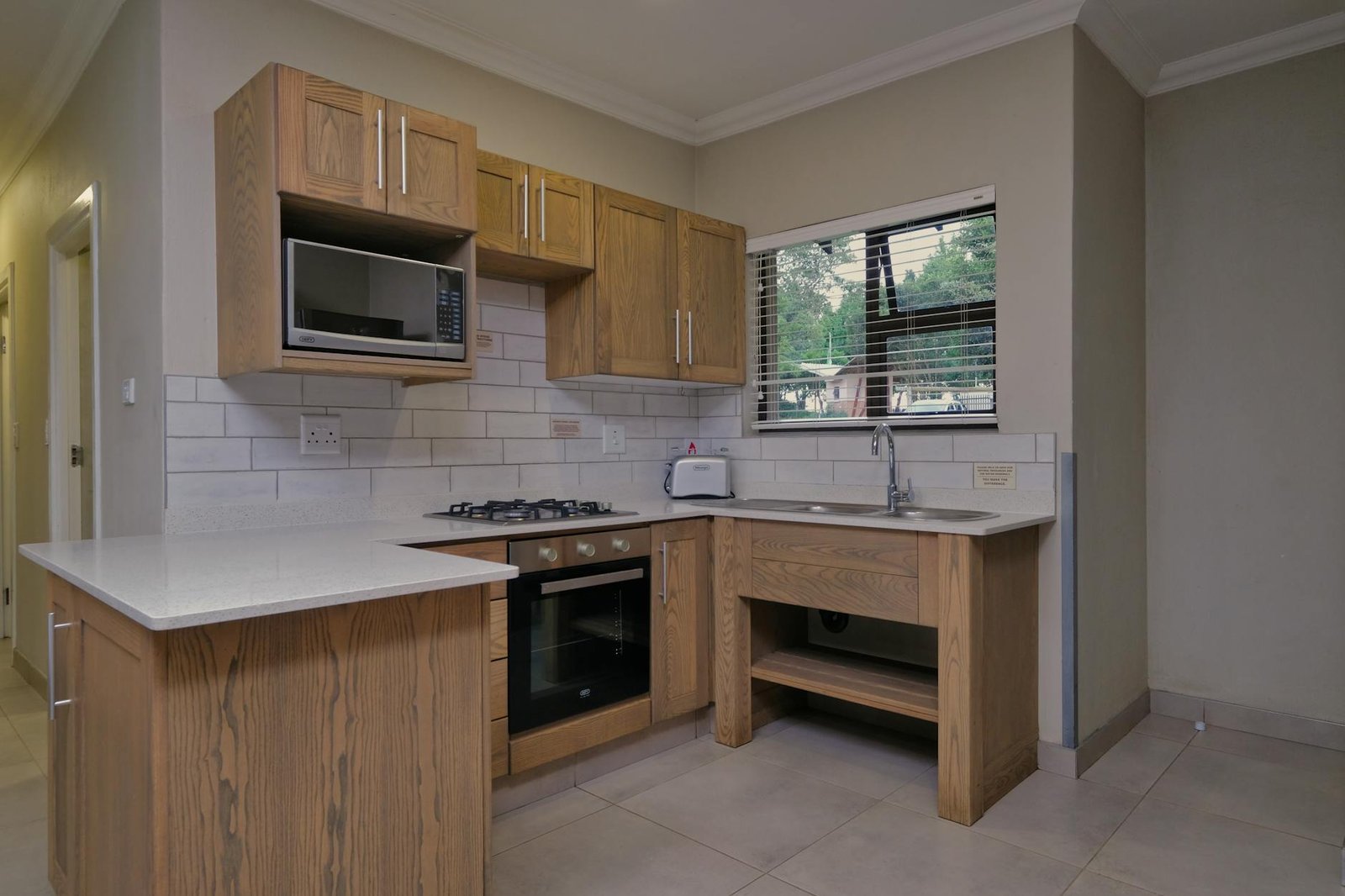
Popular in kitchens for their clean look, brick bond tiles can be effective in small bathrooms as well. In this layout, tiles offset each other by half a tile’s width, creating a subtle but pleasing pattern. Horizontal brick bond can visually widen narrow bathrooms by drawing the eye along the horizontal lines of grout. It’s especially helpful if your bathroom feels more like a narrow corridor. We’ve seen successful transformations in older Glasgow flats where this pattern made tiny ensuites look far more inviting.
Vertical stacking
For bathrooms in high-ceiling Victorian tenements, vertical stacking can draw the eye upward and shift the focus away from a room’s limited floor area. In vertical stacking, each tile is placed directly above the other in neat columns, with no staggering. This pattern is minimal, contemporary, and emphasises height. If your goal is to opt for a clean, modern look, we recommend combining vertical stacking with sleek fixtures. You can learn more about achieving a modern theme in smaller spaces by checking our insights on minimalist bathroom interiors for modern glasgow homes.
Herringbone
A favourite for those craving a bit of classic flair, herringbone involves laying rectangular tiles in a zigzag pattern that looks like rows of interlocking V shapes. It might sound complicated to install, but the dramatic effect is often worth it. Herringbone injects personality into a small space by breaking the monotony of standard layouts. However, tilers need to be precise with measurements and cuts, so it’s best left to experienced professionals. If you prefer a design that blends tradition with contemporary style, herringbone is a versatile choice.
Chevron
Chevron is similar to herringbone in that tiles interlock to create a series of V shapes. The difference lies in how tiles are cut—chevron requires tiles with angled edges to form a continuous line. The result is a visually dynamic layout that can energise a small bathroom. We’ve worked on projects where chevron flooring coupled with simple white walls made a petite Glasgow shower room feel like an upscale boutique spa.
Mosaic accent
For those who want small bursts of colour or pattern without covering entire walls, mosaic accents can work beautifully. Mosaic tiles often come in sheets of small glass, ceramic, or stone pieces arranged in intricate designs. We like adding mosaic borders or a feature strip behind the sink to provide visual interest without overwhelming the room. This approach is excellent if you prefer a subdued base tile but still crave a little personality. You can even combine mosaic accents with other patterns, though we suggest doing so cautiously to avoid visual clutter.
Factor in local challenges
Renovating a bathroom in Glasgow often involves challenges specific to older architecture, narrow layouts, and varying building regulations. We’ve found that uneven walls are common in some traditional tenements, and that can complicate tile installation. If your space has corners that aren’t perfectly square, certain patterns (like diagonal layouts) might be harder to achieve cleanly. On the other hand, horizontal or vertical stacking can more easily adapt to minor irregularities.
Also, keep in mind that moisture levels in Scottish homes can be high, especially in bathrooms without adequate ventilation. It’s essential to select a pattern and tile type that withstands humidity over time. For extra reassurance, you might consider adding a wet wall like those discussed in wet wall vs tiles which is better for glasgow homes. However, for homeowners set on tiles, you can still get exceptional longevity by installing a proper moisture barrier and using compatible grout sealants.
Choose patterns that uplift
While the arrangement of tiles matters, colour and texture also play key roles in how big or small your bathroom feels. We encourage our clients to approach patterns with an eye for how grout lines, tile size, and finish create illusions of space.
Diagonal layouts
Diagonal tile patterns can help trick the eye into believing a floor is larger. Rather than aligning tiles with the walls, they’re laid out at a 45-degree angle, forming diamond shapes. This look is more unusual and can be a conversation piece if you have guests. However, diagonal layouts can mean more tile cuts, leading to potential waste and a more complex installation. If you’re drawn to distinctive designs and have the budget for extra labour, diagonal flooring could be a showstopper.
Subtle large-format illusions
A small bathroom might seem like the last place to use large-format tiles, but it can actually work wonders. Large tiles have fewer grout lines, creating the illusion of a smoother, continuous surface. That sense of continuity often makes the room look more spacious. One caveat is ensuring your existing walls or subfloor can handle the weight if you choose large porcelain or stone tiles. When done right, large-format tiles can appear seamless, drawing the eye across the space rather than segmenting it.
Hexagonal creativity
Hexagonal tiles have a geometric charm that can be both retro and modern, depending on the colours and finishes chosen. In small bathrooms, hexagons in lighter shades can reflect light from overhead fixtures or windows, brightening the space. We usually recommend limiting hexagonal tiles to the floor or a single accent wall so you don’t overload the design. Pair them with simple white or pale grey rectangular tiles elsewhere for a balanced look. You might also enjoy exploring more design tips in scandinavian bathroom design guide for glasgow properties if you lean towards understated elegance in your selection of colours and shapes.
Experiment with tile size
Tile size, in tandem with pattern, influences how big or small your bathroom will appear. Many homeowners mistakenly think only small tiles work in tiny spaces. In reality, mixing sizes strategically can add dimension and interest, while uniform large tiles deliver a sleek, uninterrupted field of colour.
-
Small tile approach: Using smaller tiles (particularly with an eye-catching pattern) can offer a cosy, textural feel. Mosaics, penny rounds, or mini subway tiles can highlight a specific zone like the shower niche. Just be mindful that more grout lines mean additional cleaning and potential for discolouration if you’re not vigilant about sealing.
-
Medium tile approach: Rectangular or square tiles in moderate sizes (like 30x60cm) are a solid go-to for many Glasgow bathrooms. They’re versatile, easy to install, and can adapt to both classic brick bond or more complex patterns like herringbone. They also provide a middle ground in terms of visual impact and installation cost.
-
Large tile approach: As mentioned earlier, large-format tiles offer an expansive, minimalist look. They require fewer grout lines, which can reduce the feeling of clutter. However, poorly placed large tiles in a cramped layout might end up looking awkward if you encounter many partial cuts around fixtures. To avoid irregular shapes at the corners, consider a skilled tiler who can measure your walls precisely.
If you need extra tips on making the most of a tight bathroom footprint, see our guide to small bathroom layouts that work well in glasgow flats. We cover layout considerations that pair nicely with different tile sizes and patterns.
Balance colour and finish
Colour and finish interact closely with tile pattern. Light, neutral colours with a polished or glossy finish reflect available light and expand a space visually. If your bathrooms suffer from limited daylight—as many Glasgow interiors do—this reflection effect can be a game-changer.
-
Light neutrals (white, beige, cream, soft grey): These shades let your tile pattern speak for itself without overpowering the design. They also help unify the space and reduce any sense of confinement. If you want to add subtle interest, consider a textured finish that catches light in different ways.
-
Dark or bold colours: Dark hues absorb light, which can either create a cosy vibe or visually shrink the room if overused. If you love dark colours, try using them sparingly—for instance, an accent wall behind the sink or shower. Balancing a dark accent with light-coloured walls and floors preserves that open, airy feel.
-
Glossy vs matte finishes: Glossy surfaces reflect more light, which can brighten a bathroom and enhance the illusion of space. Matte finishes absorb light, contributing to a softer, more subtle appearance. Both finishes can look amazing with the right tile pattern. If you choose matte tiles, consider installing good lighting so the room doesn’t feel overly dim.
If you’re unsure how to pair tile colours with broader bathroom palettes, you might find inspiration in trending bathroom colour schemes for homes in glasgow. Coordinating your tile patterns and colour scheme from the start can help you avoid clashing tones.
Maintain your new surfaces
Maintenance is a crucial part of making sure your tile investment stands the test of time, especially in moisture-heavy environments like Glasgow bathrooms. Different tile materials have varied upkeep requirements.
-
Porcelain and ceramic: These are among the most durable and water-resistant options. Porcelain is a step above ceramic in terms of density but can be slightly pricier. Both are typically easy to clean with a mild bathroom cleaner.
-
Natural stone (marble, granite, slate): These tiles lend a luxurious feel, but often require sealing to protect them from water damage or staining. Stone can also be more porous, so regular resealing might be needed to maintain its finish.
-
Glass mosaic: Glass tiles are naturally resistant to water, but grout lines can be prone to mould. Ensure proper sealing of grout and frequent wipe-downs.
A small bathroom magnifies any signs of wear and tear because there’s less room to hide imperfections. Keep an eye on grout lines, especially in areas prone to direct water contact like the shower walls or floor. Resealing grout every few years helps guard against puddles and mildew. We recommend using mild cleaning products that won’t erode the surface. Also consider investing in proper ventilation. Installing or upgrading an extractor fan can drastically reduce moisture buildup, preserving your tiles for longer.
Rely on Dream Bathrooms Glasgow
As local experts in bathroom transformations, we’ve tackled everything from compact shower rooms to more intricate ensuite remodels. At Dream Bathrooms Glasgow, we understand how to turn limiting factors—like awkward nooks or dated plumbing—into a design advantage. Our experience in working within various Glasgow properties allows us to anticipate challenges such as sloping floors or older masonry walls. We pride ourselves on delivering a professional finish that stays sturdy and visually stunning for many years.
When helping you select the best tile patterns for small Glasgow bathrooms, we start by assessing the shape, size, and overall style you prefer. We’ll suggest patterns that complement the room’s architecture and your personal taste. If you’re curious about additional design ideas, especially for smaller showers, our post on walk in shower designs for compact glasgow bathrooms can offer more inspiration. We combine these ideas with practical advice on ventilation, fixture placement, and lighting, creating a cohesive result instead of a patchwork of mismatched features.
One of the hallmarks of our service is helping you coordinate all elements seamlessly—tiles, paint, vanity units, lighting, and more. Sometimes, the smallest details can make an enormous difference. For instance, if you’re replacing an old pedestal sink with a slim vanity, the exposed floor beneath it might appear larger and more streamlined with a continuous tile pattern. If you’d like more advice on selecting vanity units, check out how to choose the right vanity unit for your glasgow bathroom. Whatever combination you choose, we’ll make sure it aligns with your budget and vision.
Conclusion and next steps
Renovating a small bathroom in Glasgow can feel like a puzzle—balancing limited space, local architectural quirks, and personal design preferences. We’ve found that carefully chosen tile patterns are a powerful way to make a compact room feel more expansive, bright, and stylish. From horizontal brick bond and herringbone to mosaic accents, there’s a pattern suited to every homeowner’s taste. Pairing that pattern with the right tile size, colour, and finish ensures you’re making the most of your square footage. Don’t forget that proper maintenance can prolong the life and beauty of your new tiles.
If you’re embarking on a renovation or simply exploring ideas, remember that we at Dream Bathrooms Glasgow are here to help. We take pride in delivering tailored solutions for Glasgow homes, whether you’re going for a modern look or a mix of traditional charm and contemporary flair. Our team will guide you through the entire process—from selecting materials that work best in local conditions to installing them with an impeccable finish.
We’re confident that with the perfect tile layout, even the smallest Glasgow bathroom can make a big impression. Start by reviewing the patterns that appeal to you the most. Think about how each pattern will enhance your space’s depth, brightness, and overall vibe. Then, reach out to us. Together, we can craft a bathroom that’s both functional and delightful every time you step inside. Let’s give your compact space the upgrade it deserves.